10 hr
Abu Simbel Temple Day Trip from Aswan
- Expert local guide
- Small group
- Skip-the-line access
- Free cancellation
Nile River Cruise to Abu Simbel — Multi-Day Sailings & Temple Entry
Sail south from Aswan, arrive at Ramesses II's colossal monuments
Compare fares, pick the fit — all bookings are mobile-voucher and eligible for free cancellation where shown.
10 hr
10 hr
96 hr
Selecting the right pass for your nile river cruise to abu simbel requires distinguishing between standard dates and the unique solar alignment festival. Whether you are planning a comprehensive abu simbel temple tour or a quick visit, these official entry levels ensure you have access to the historic colossal statues and the nearby Temple of Nefertari.
|
Top pick Standard Access General entry for foreign adults |
Sun Alignment February 22 & October 22 only | |
|---|---|---|
| Entrance fee | 822 EGP | 1272 EGP |
| Access areas | Great Temple and Small Temple | Great Temple and Small Temple |
| Availability | Available year-round | Limited to two specific days |
| Best for | First-timers and independent travelers | Solar phenomenon enthusiasts and photographers |
| See tickets & prices |
Verdict: For most travelers on a typical nile river cruise to abu simbel tours schedule, the Standard Access ticket is the correct choice, while the Sun Alignment ticket is exclusively for those visiting on the two annual event dates.
Worth it for serious history enthusiasts only
A nile river cruise to abu simbel demands 10–12 hours round-trip from Aswan—280 kilometers each way across desert highway—for roughly 90 minutes at the temples themselves. The colossal statues of Ramses II and the interior chambers relocated from their original site justify the effort if pharaonic architecture genuinely interests you; the façade scale and the twice-yearly solar alignment phenomenon remain unmatched along the Nile. Day trips hover around 822 EGP entry plus transport and guide fees, while multi-day Nile cruises from Aswan fold Abu Simbel into broader itineraries that also cover Kom Ombo, Edfu and Luxor monuments. Group tours from Aswan bundle transport and Egyptologist commentary, cutting individual logistics but locking you to fixed schedules. The value math tilts positive for travelers prioritizing UNESCO World Heritage depth over leisure time; casual sightseers often find the travel-to-viewing ratio punishing, especially under midday sun. If you plan a 4-day Aswan–Luxor cruise anyway, the Abu Simbel extension adds marginal fatigue for monumental return.
Bottom line: Commit to nile river cruise to abu simbel tours only if ancient Egyptian temple architecture ranks among your primary travel motivations.
Most visitors find that a day trip offers more flexibility, while a dedicated Lake Nasser cruise provides a deeper immersion into the remote temples; they complement each other, but most travelers call the flight-based tour the most efficient.
|
Top pick Nile River Cruise to Abu Simbel |
Aswan Day Trip | |
|---|---|---|
| Travel time | Multi-day expedition | |
| Primary transport | Lake Nasser cruise ship | |
| Site access | Typically via Lake Nasser port | |
| Recommended arrival | N/A (onboard schedule) | 06:00–08:00 |
| Total cost | High (premium package) | 822 EGP (entry fee) plus transport |
| Best for | Deep historical immersion | Time-constrained travelers |
| See tickets & prices |
Verdict: Choose a nile river cruise to abu simbel for a relaxed multi-day experience, or opt for a focused nile river cruise to abu simbel tour from Aswan to maximize your time.
Hand-picked experiences loved by thousands of travelers
4 days
Free Cancellation
Sail the Nile on a 5-star ship with full board, visiting ancient temples and royal tombs with your private guide
4 days
Free Cancellation
Sail the Nile over four days, visiting ancient temples and soaring above Luxor at sunrise
4 days
Free Cancellation
Sail the Nile aboard a 5-star vessel while discovering pharaonic temples and tombs with an expert guide
3 days
Free Cancellation
Sail the Nile on a luxury cruise featuring temple visits, hot air ballooning, and full-board dining
8 days
Free Cancellation
Explore ancient wonders across Cairo, Luxor and Aswan with private guide, 5-star cruise and flights
4 days
Free Cancellation
Drift down the Nile in luxury, explore ancient temples with your own Egyptologist, and float above Luxor at dawn.
10 hours
Free Cancellation
Discover ancient Egypt's legendary temple complex with private transport and expert guiding
6 days
Free Cancellation
Comprehensive journey from Cairo's ancient wonders to Luxor's temples, plus three nights sailing the Nile
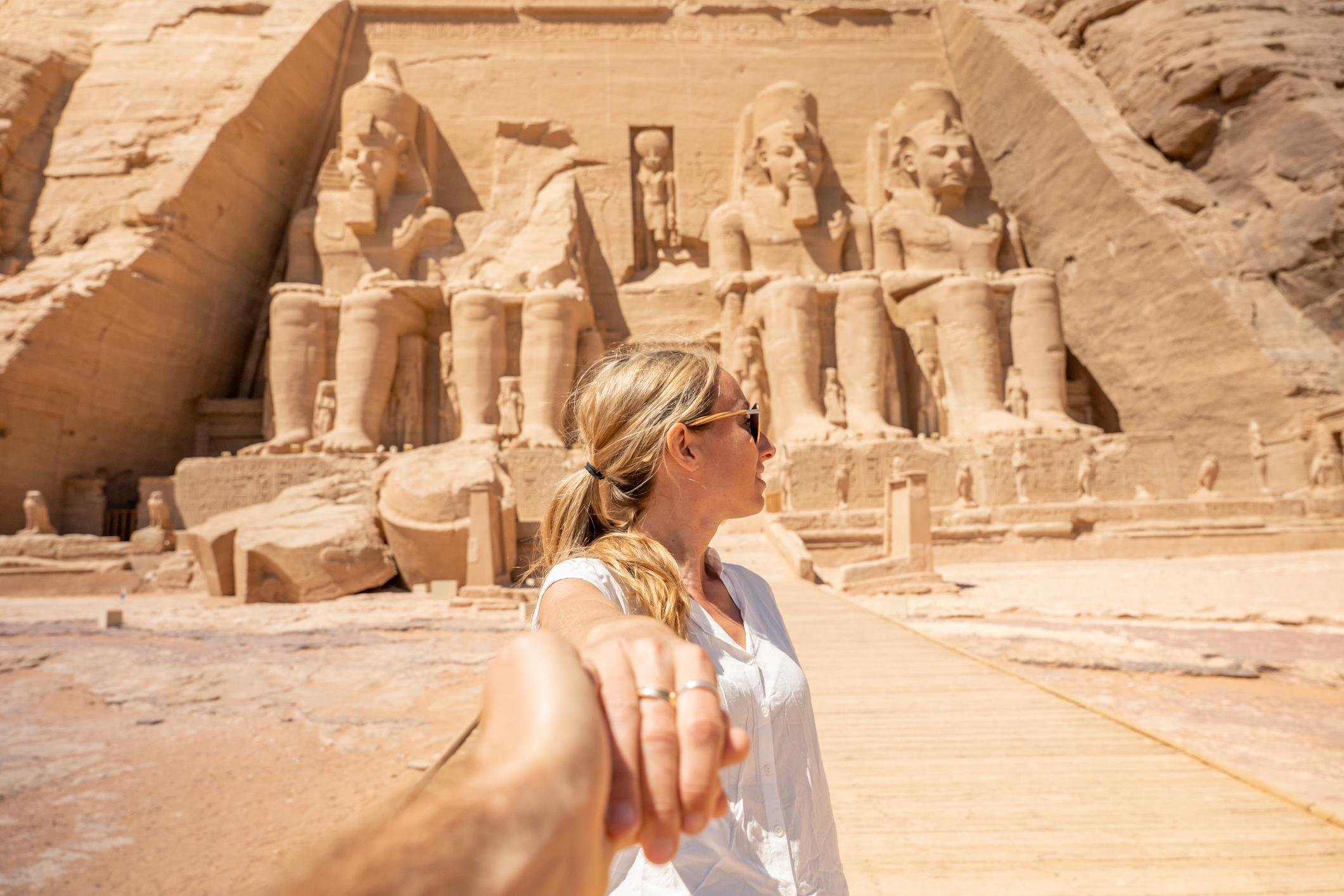
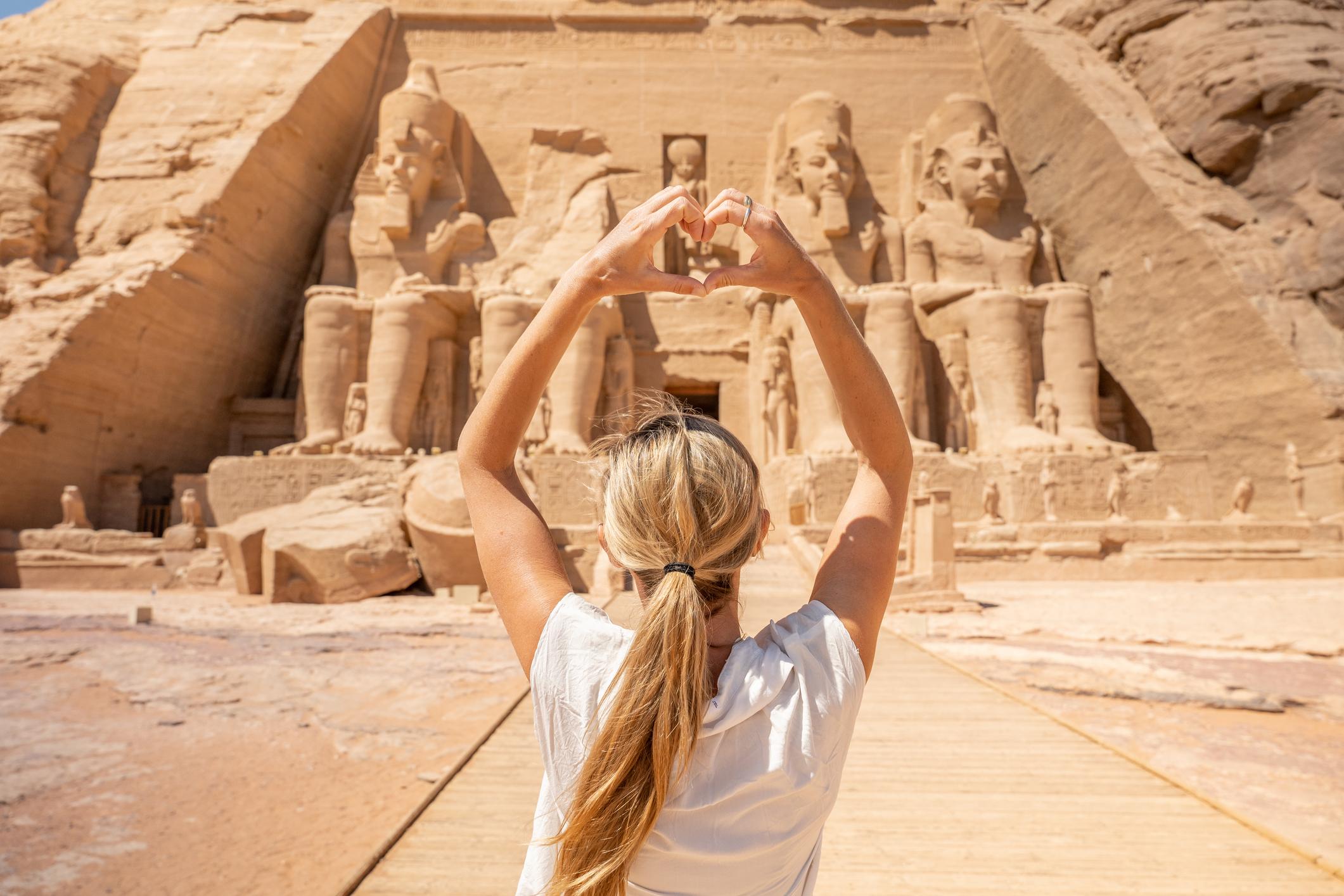
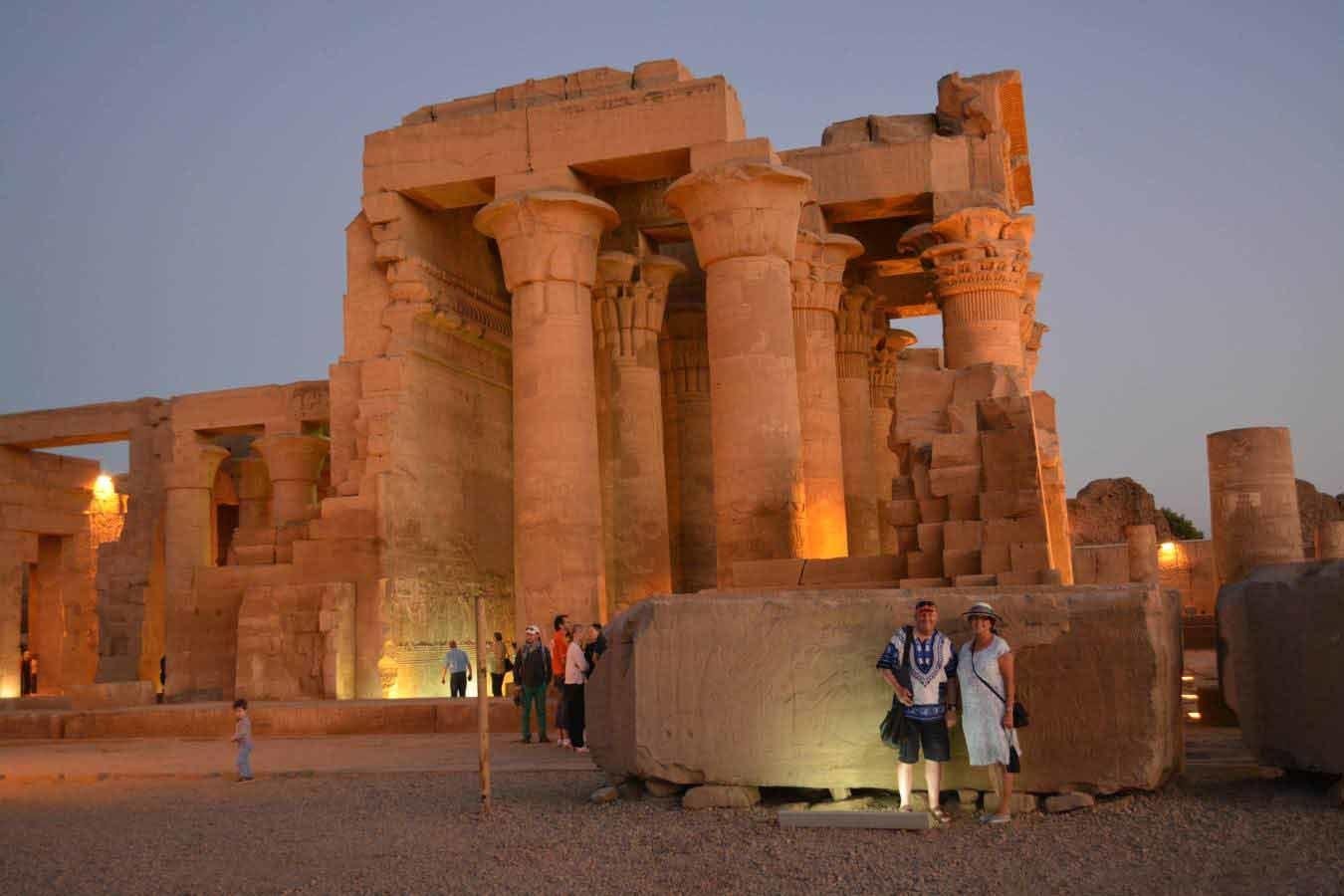
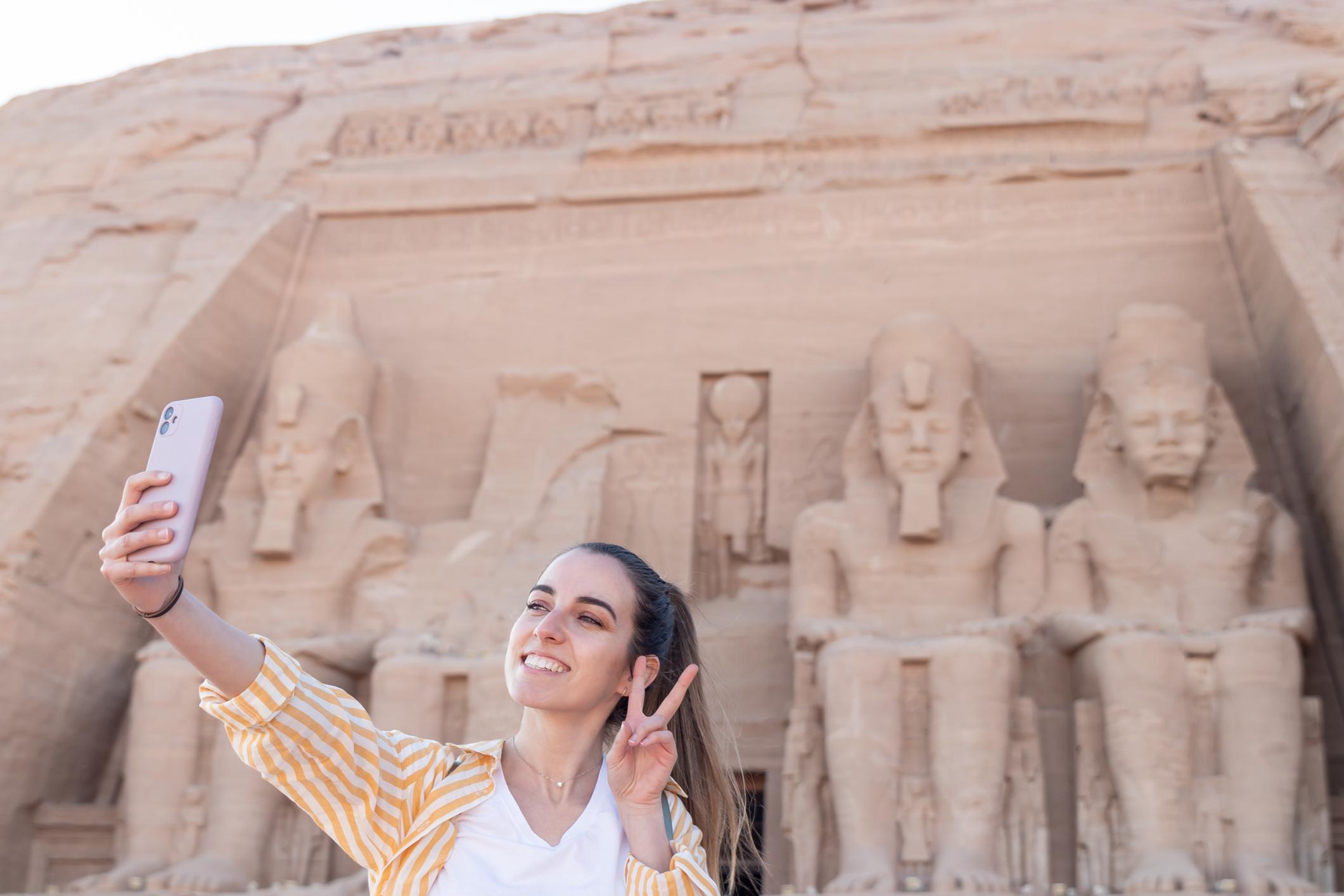
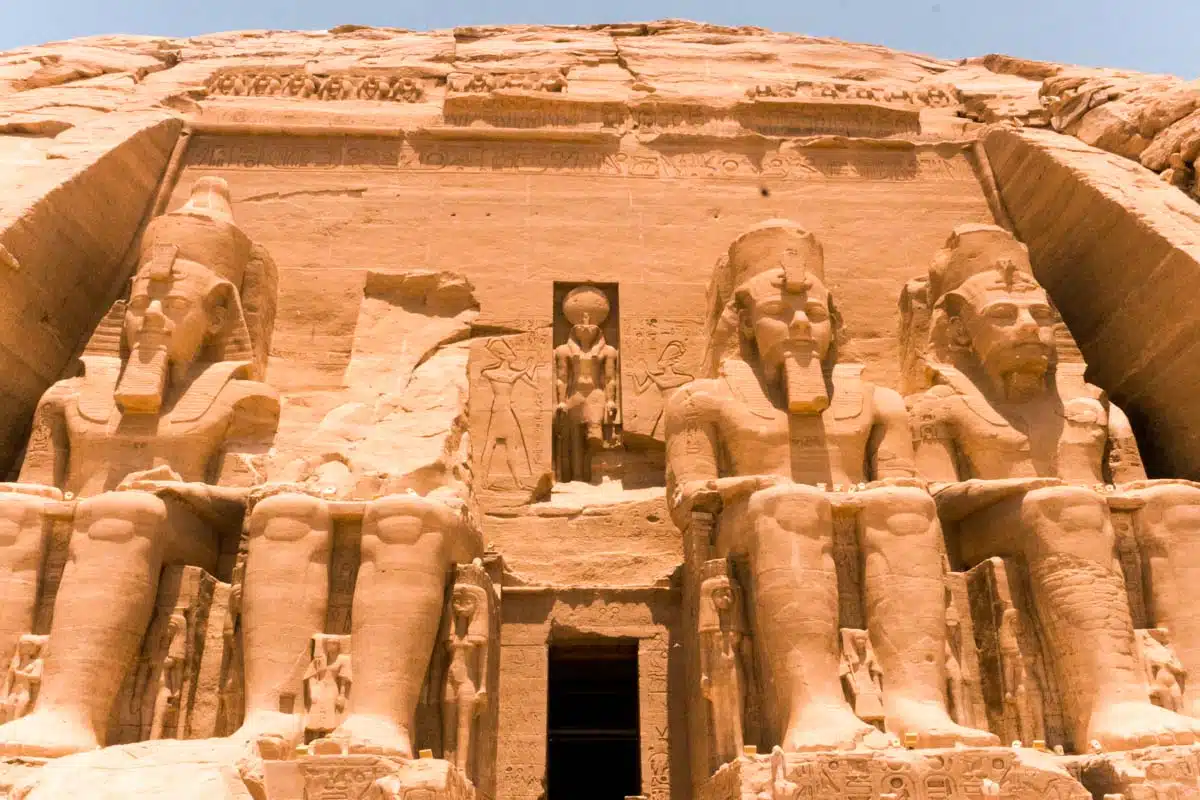
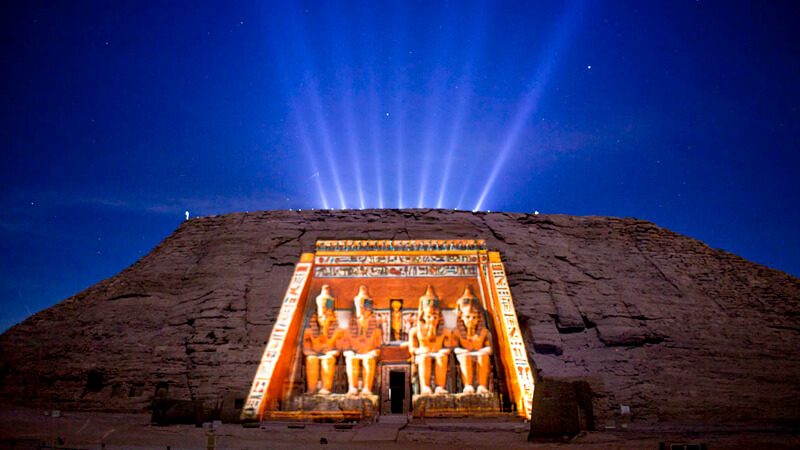
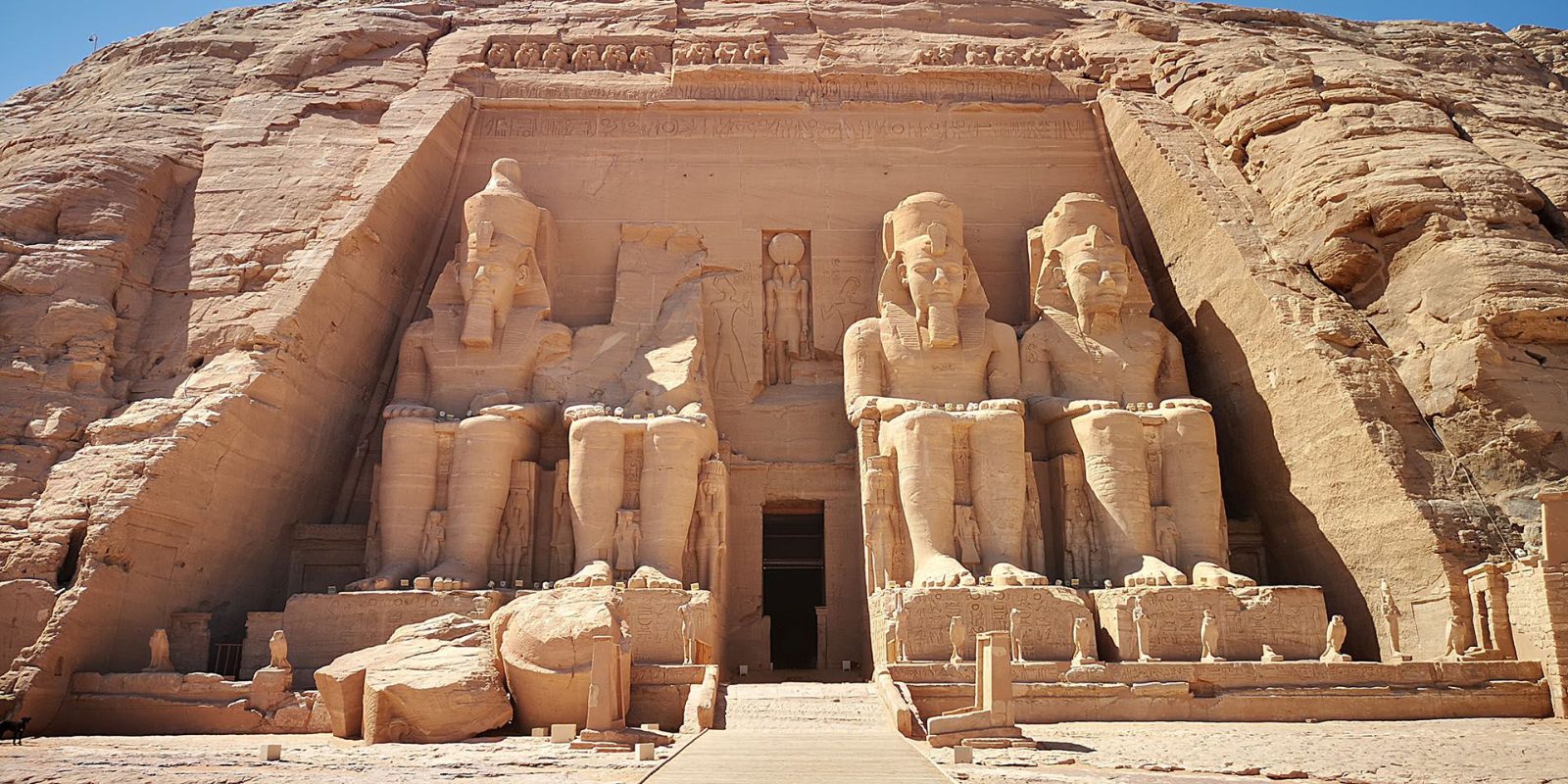
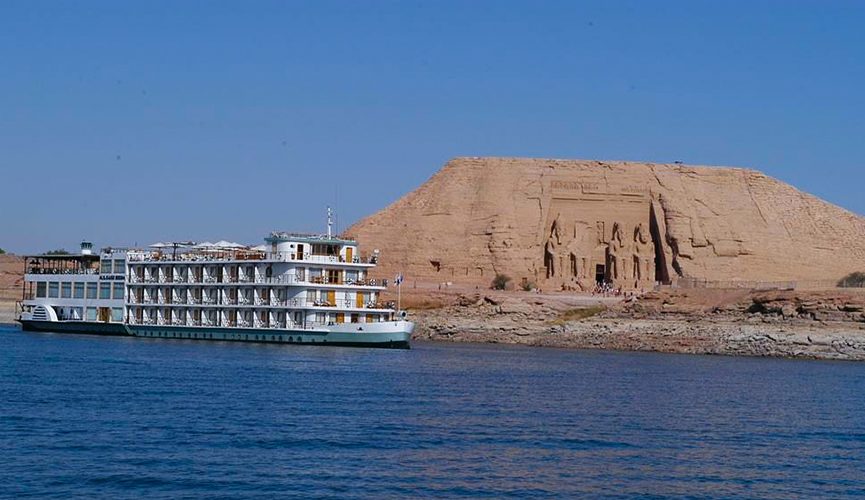
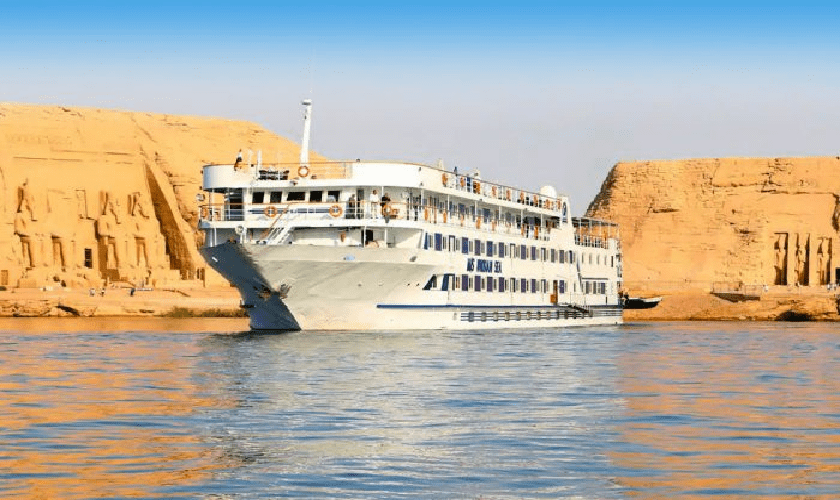
This massive structure features four colossal seated statues of Ramesses II standing 20 meters tall. It was carved directly into the mountain to celebrate the pharaoh's victory at the Battle of Kadesh.
Also known as the Small Temple, this was dedicated to Queen Nefertari and the goddess Hathor. It is notable for having the statues of the queen and the pharaoh depicted at the same height.
On February 22 and October 22, the sun's rays penetrate 60 meters into the inner sanctuary to illuminate the statues of the gods. This ancient feat of engineering is a highlight of the site.
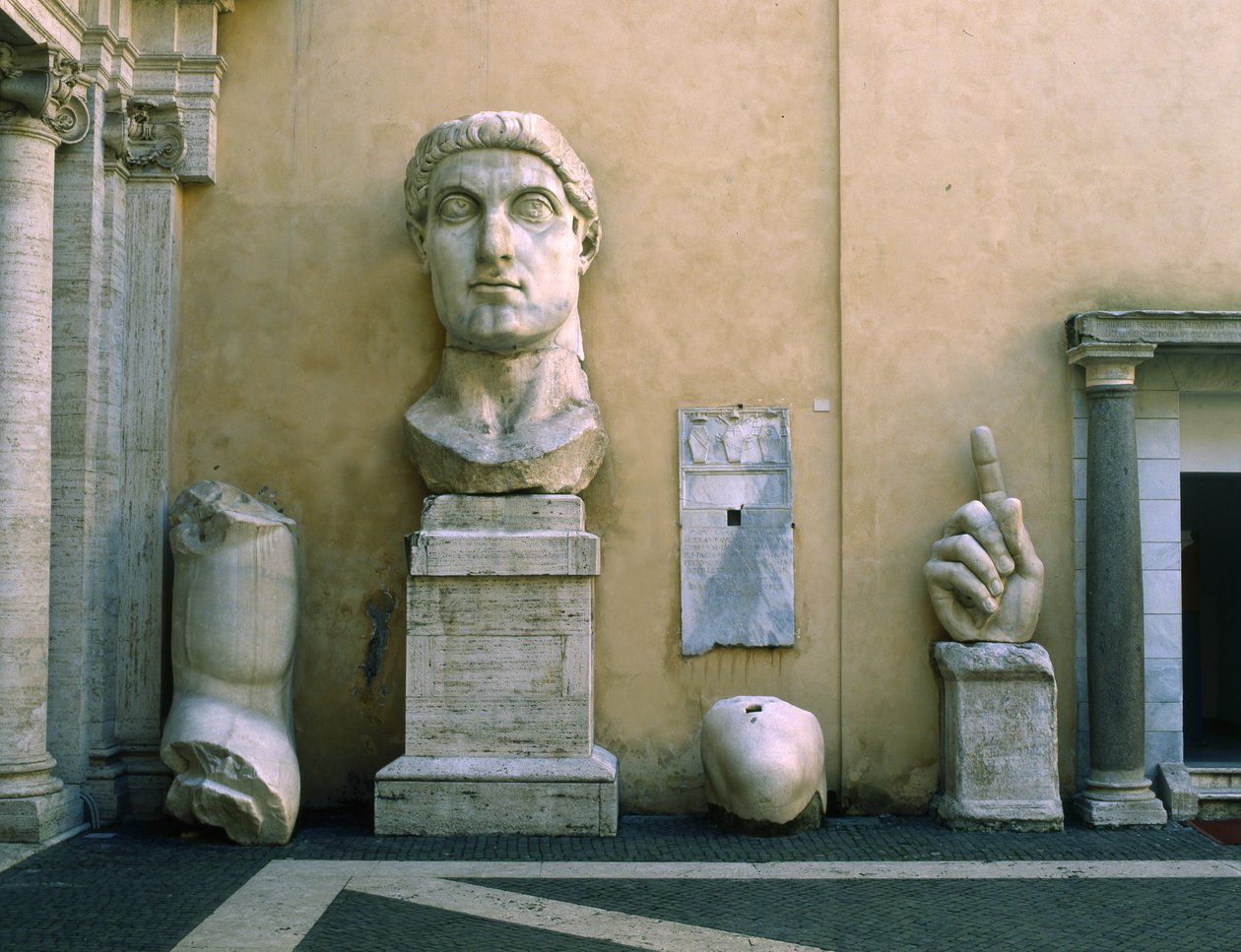
These stone remnants sit on the ground near the facade of the Great Temple, providing a unique perspective on the original scale of the colossi before an ancient earthquake occurred.
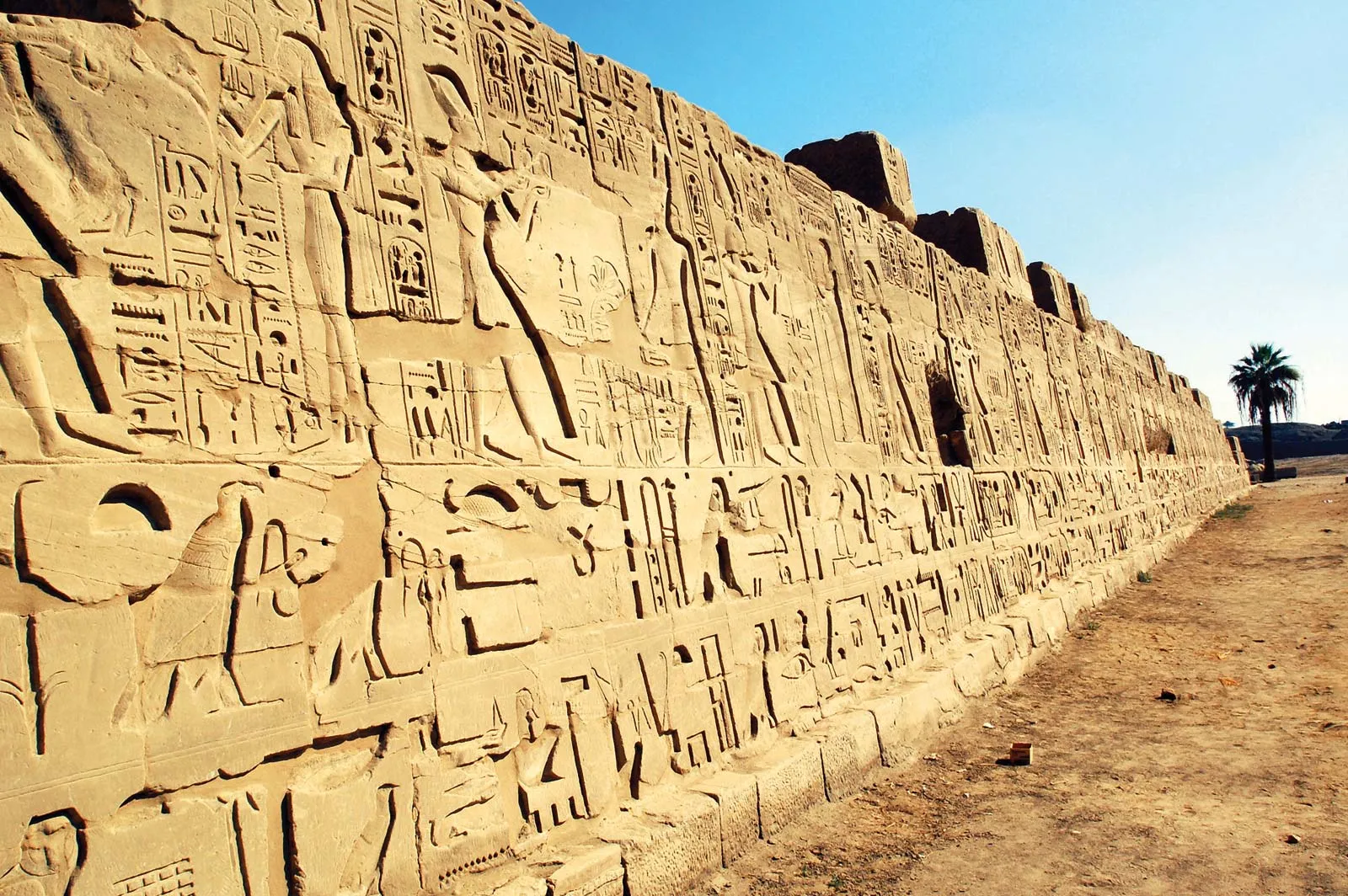
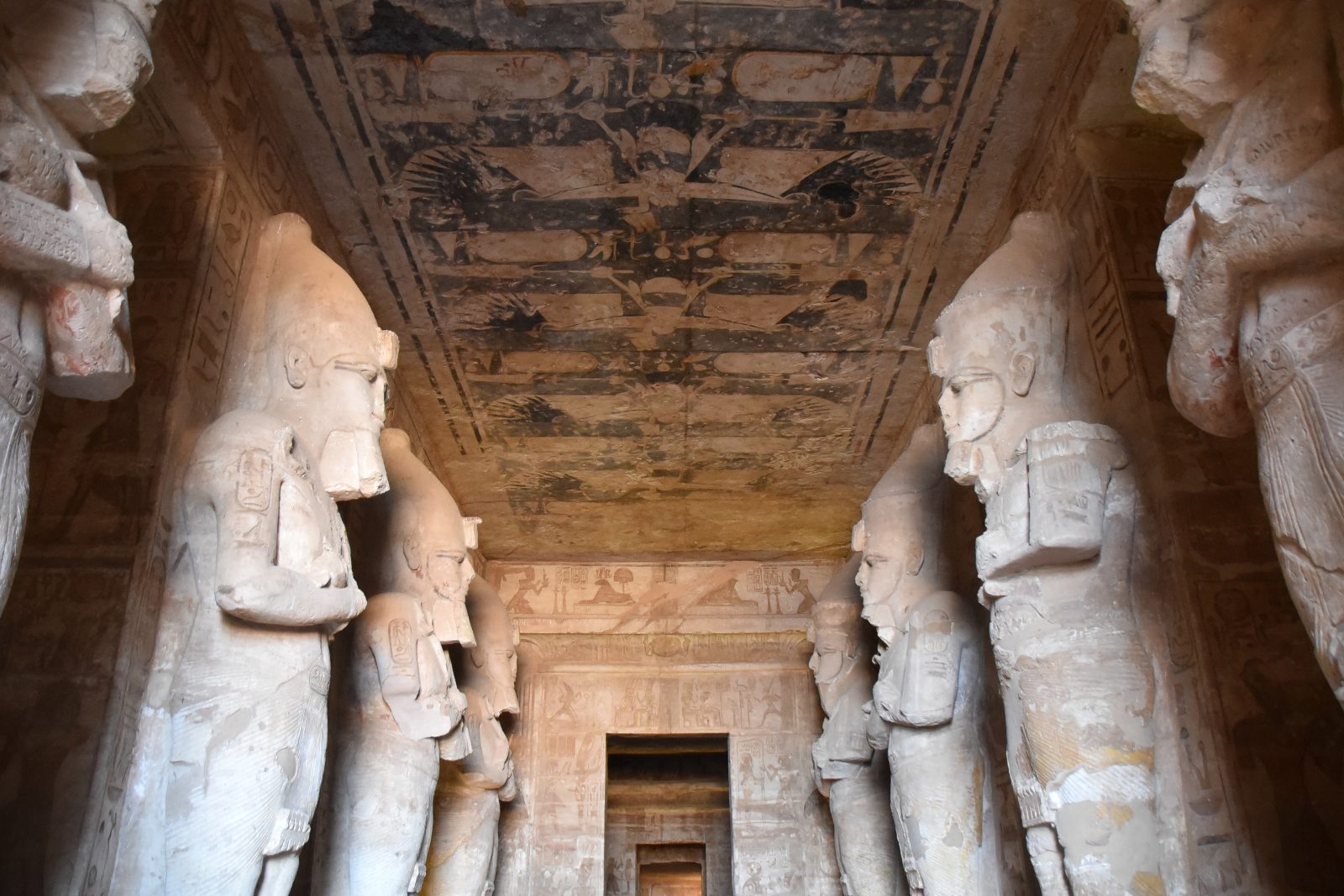
The inner walls of both temples are decorated with detailed carvings documenting the pharaoh's reign. These carvings serve as a historical record of life and power in the 13th century BC.
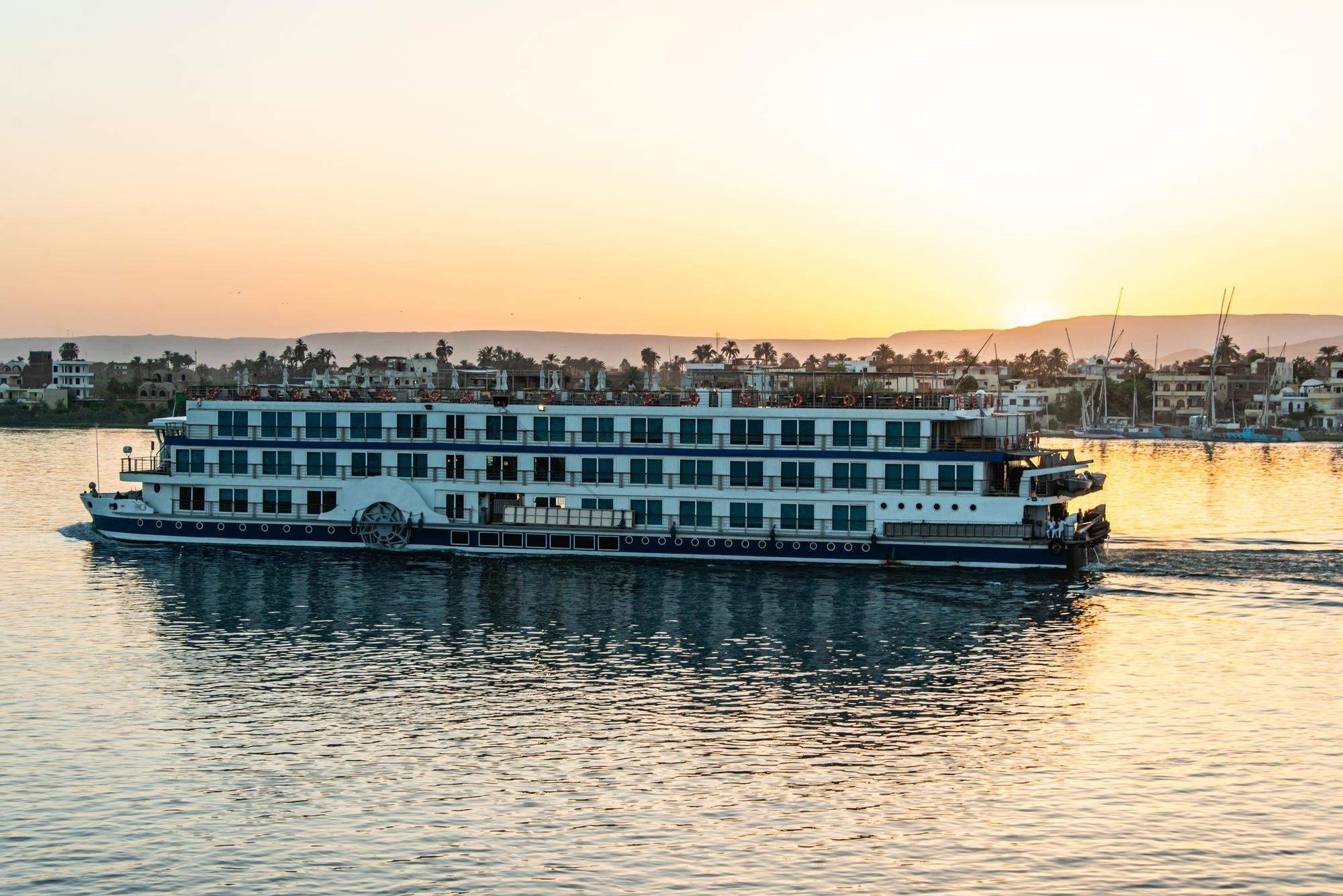
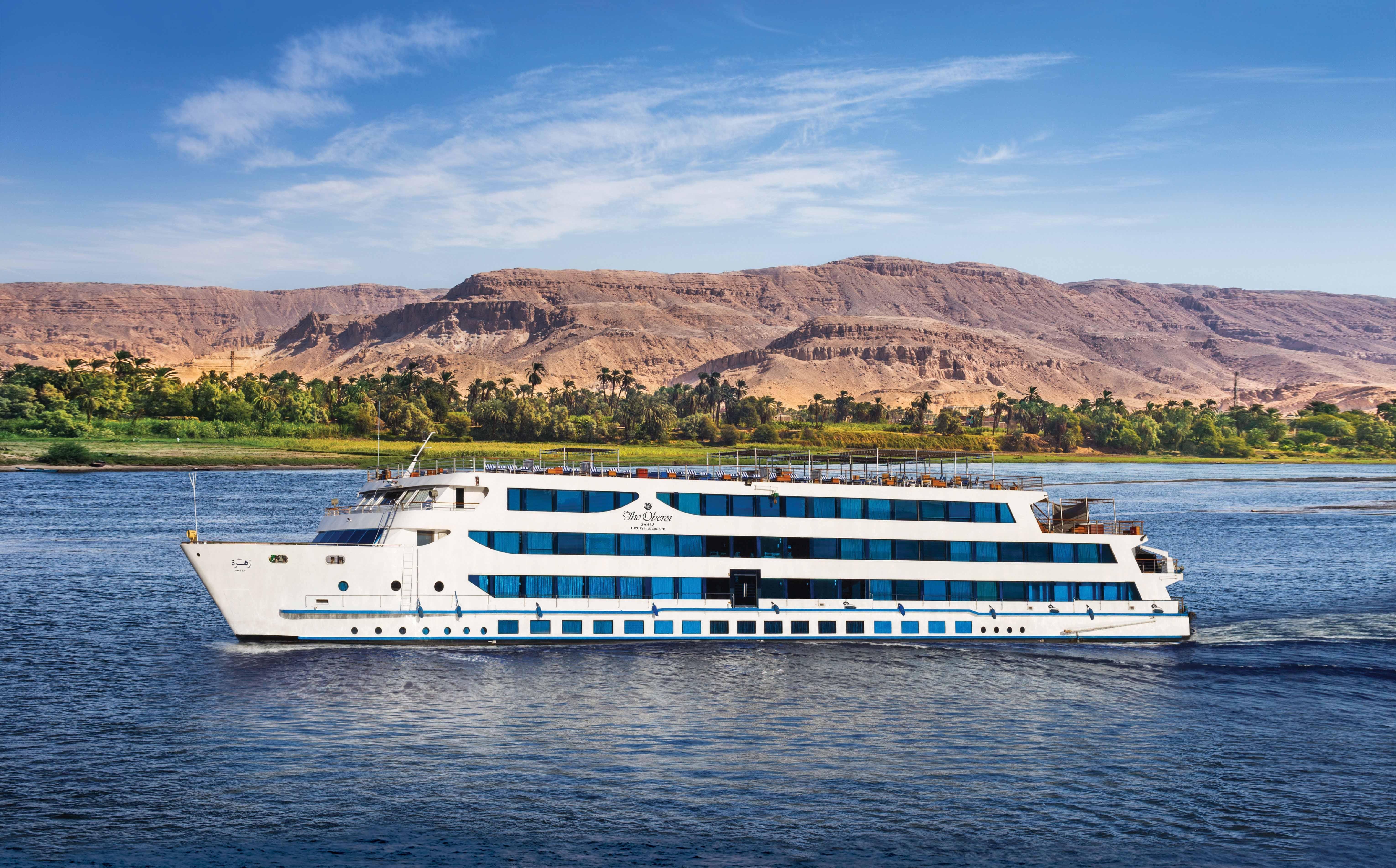
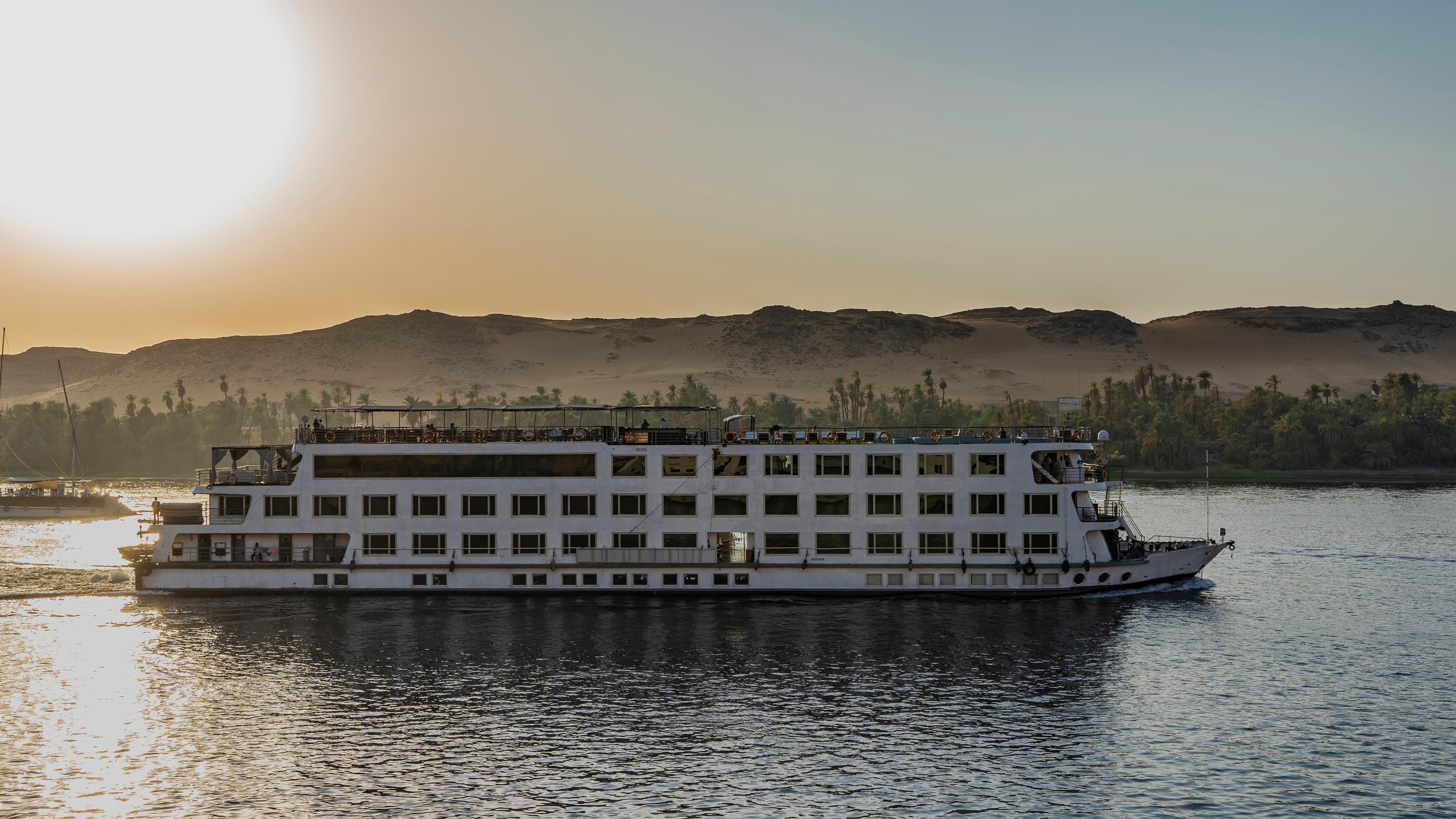
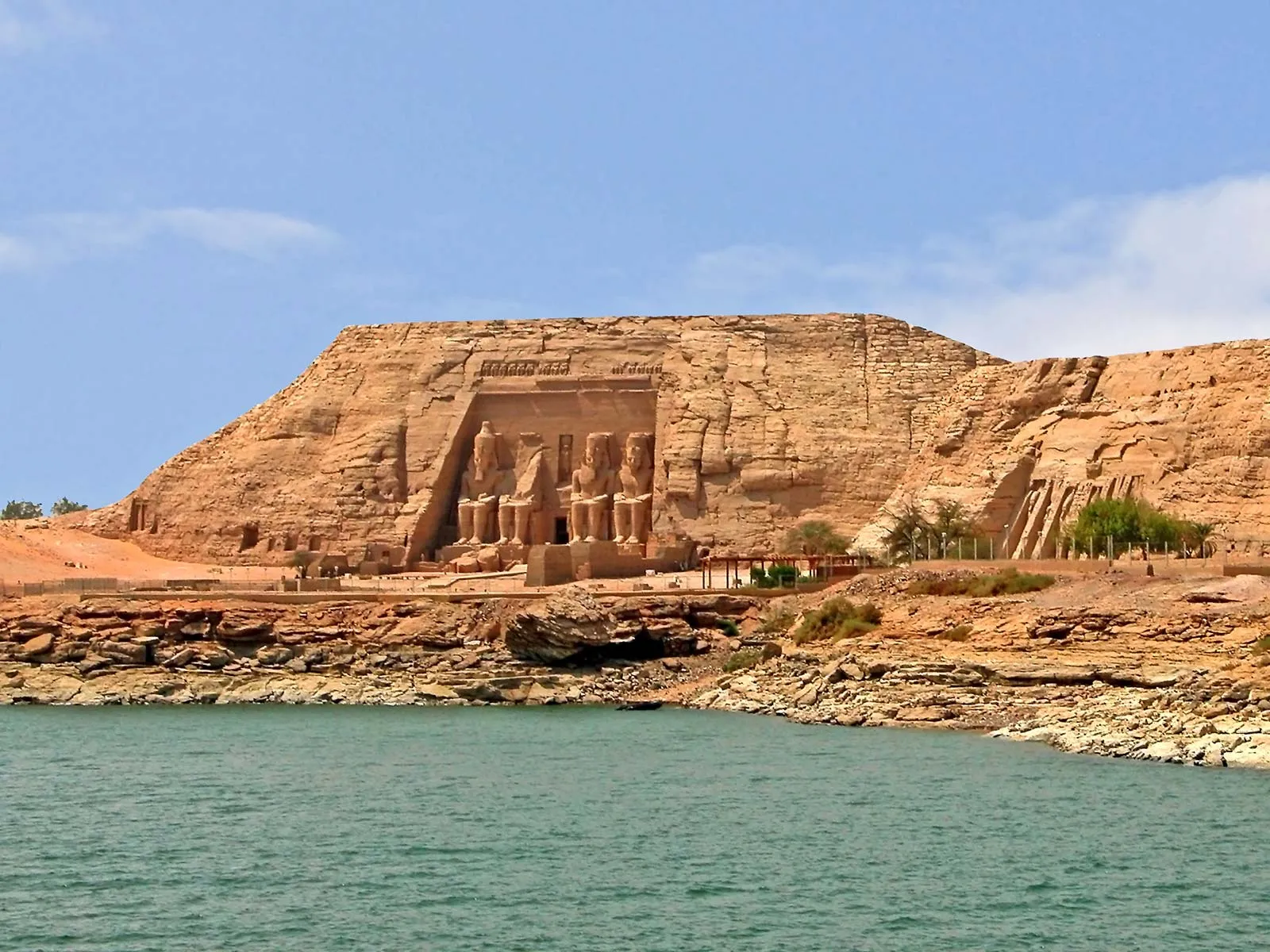
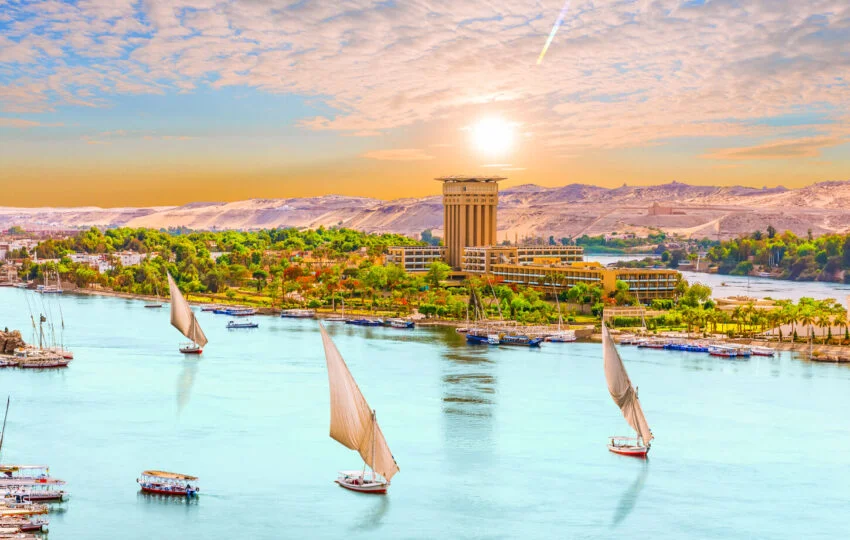
You board in Aswan at dawn, the felucca sails catching the first thermal lift off the Nile. By mid-morning, the river widens into Lake Nasser, its blue surface stretching toward a sandstone horizon. Your vessel moors at the Abu Simbel jetty before 08:00, and you walk the paved causeway toward the temple facade.
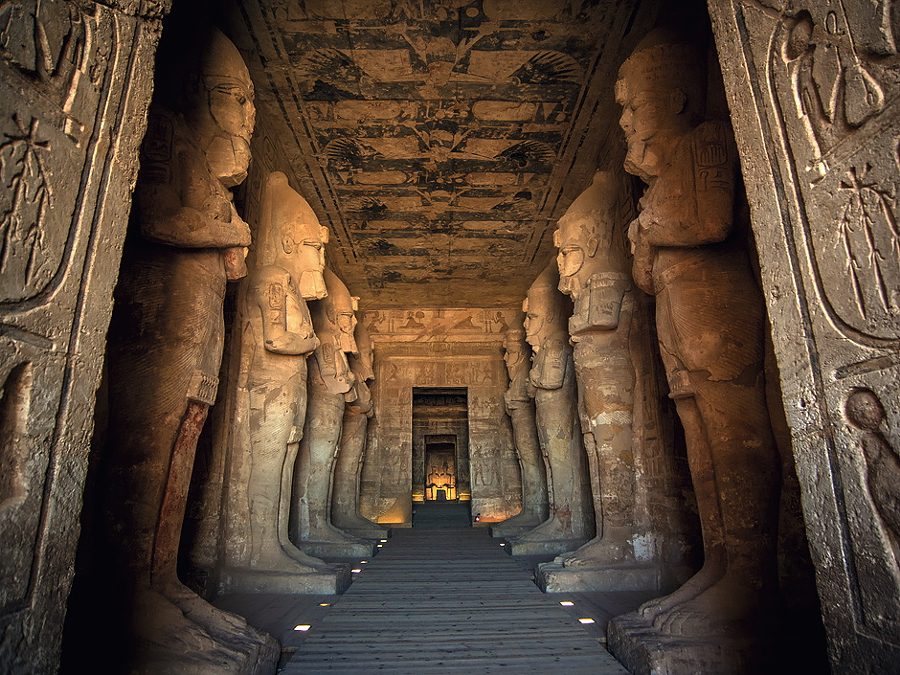
The four colossi loom 20 metres overhead, their stone gazes fixed on the eastern sunrise. You pass through the entrance into the hypostyle hall, where Osirid pillars frame a corridor lit by carefully positioned lamps. The air inside stays ten degrees cooler than the exterior. You continue through the vestibule into the sanctuary, 63 metres deep, where four seated gods occupy the rear wall. A guide explains the solar alignment, pointing to the polished floor where sunlight would fall twice yearly before the relocation. Outside, you climb the viewing stairs to see the artificial mountain's contours and the original cliff line marked on an informational panel. The smaller Temple of Hathor sits 100 metres north. You enter to find six statues framing its doorway, Nefertari depicted at equal scale to Ramesses II. The interior walls preserve traces of ochre and red pigment. By 10:30, coach tours arrive from Aswan, and you return to the jetty. The lake crossing back takes three hours, the western cliffs of Nubia visible until the river narrows again at Aswan's granite outcrops.
All the details about your upcoming adventure in one place
The Great Temple of Abu Simbel stands 33 metres tall, carved directly into a Nubian sandstone cliff between 1264 and 1244 BCE. Four seated colossi of Ramesses II guard the entrance, each 20 metres high.
In 1968, UNESCO completed a five-year project to dismantle and relocate the entire complex 65 metres higher and 200 metres inland, saving it from the rising waters of Lake Nasser. Engineers cut the temples into 1,036 blocks, some weighing 30 tonnes, and reassembled them with millimetre precision on an artificial hill. The interior sanctuary extends 63 metres into the rock, terminating in a holy chamber where, twice a year on 22 February and 22 October, sunlight penetrates the full length of the corridor to illuminate statues of Ptah, Amun-Ra, Ramesses II, and Ra-Horakhty.
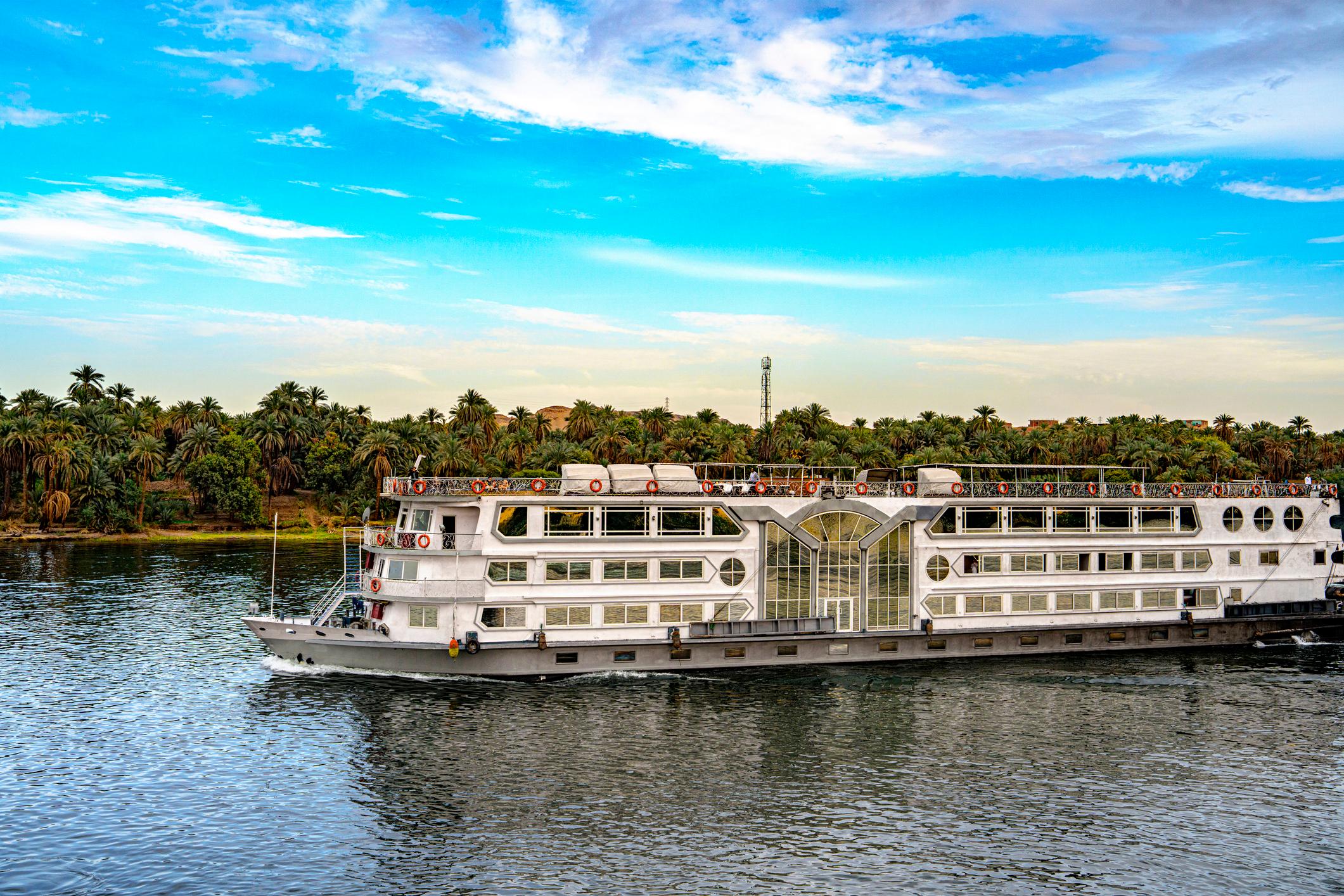
A nile river cruise to abu simbel departs from Aswan and follows the traditional southern trade route across Lake Nasser, the world's second-largest reservoir by volume. Most sailings incorporate the temples as a full-day excursion, with overland transfers covering the final 280 kilometres. The smaller Temple of Hathor, dedicated to Ramesses II's wife Nefertari, sits 100 metres north. Its six 10-metre statues show the queen at equal height to the pharaoh, a rare iconographic honour. UNESCO inscribed Abu Simbel in 1979, recognizing both its ancient construction and its modern rescue. The site remains Egypt's southernmost major monument, positioned three kilometres from the Sudanese border.
The facades retain their original pigment in sheltered recesses: ochre, red, and traces of lapis lazuli. Hieroglyphic friezes record Ramesses II's campaigns, including the Battle of Kadesh against the Hittites in 1274 BCE. The Great Temple's hypostyle hall contains eight Osirid pillars, each depicting the pharaoh in mummiform pose. The relocation preserved even the calculated solar alignment, though engineers had to shift the illumination dates by one day. Today, conservationists monitor vibration and humidity levels inside the reassembled chambers. The artificial mountain's concrete dome, concealed beneath rubble and sand, supports the 300,000-tonne structure. Nile river cruise to abu simbel tours typically allow three hours on-site, sufficient to explore both temples and walk the viewing platform above the relocated complex. The site opens at dawn to accommodate convoy arrivals from Aswan, with 06:00–08:00 offering the coolest temperatures and smallest crowds before the lake breeze stills at midday.

Engineers cut the temples into 1,036 blocks and reassembled them with millimetre precision 65 metres higher.
Dress modestly as a sign of respect for this significant Egyptian heritage site. Lightweight, breathable clothing that covers shoulders and knees is recommended for your nile river cruise to abu simbel excursion.
Expect security screenings upon entry to the temple area. Large luggage should be left at your Aswan accommodation or on your cruise ship during your nile river cruise to abu simbel tour.
Photography with mobile phones is permitted free of charge. A separate photography permit is required for professional-grade cameras and tripods during your nile river cruise to abu simbel visit.
The site is educational for children, though the desert heat necessitates careful planning. Always carry extra water and sun protection for the younger members of your group while on a nile river cruise to abu simbel.
The site features flat paths reconstructed during the relocation project, providing manageable access for most visitors. Staff at the entrance can assist with specific requirements for your nile river cruise to abu simbel tickets holders.
Carry sufficient water and snacks, as options directly at the temple complex are limited. Stay hydrated throughout your nile river cruise to abu simbel.
Opening hours
06:00–17:00
Address
Abu Simbel, Aswan Governorate, Egypt
Accessibility
Wheelchair accessible path to the main temples
Best arrival window
06:00–08:00
Official site
https://egymonuments.gov.eg/locations/abu-simbel/
Ticket purchases for nile river cruise to abu simbel tours are generally non-refundable once issued. Confirm your booking status directly with your tour provider to understand specific rescheduling options.
Recommended time
2-3 hours
Most visitors spend about two hours exploring the Great Temple of Ramesses II and the Temple of Hathor during their nile river cruise to abu simbel. Arriving during the 06:00–08:00 window is essential to beat the peak heat and large tour crowds arriving from Aswan, ensuring a smoother experience at these UNESCO heritage landmarks. Those securing nile river cruise to abu simbel tickets in advance can allocate additional time for studying the pylon carvings and internal sanctuary details, while nile river cruise to abu simbel tours often require a faster pace.
Crowd levels through the day
In 1954 Egypt announced plans for the Aswan High Dam, a hydroelectric colossus that would submerge a 310-mile stretch of the Nile Valley. Among the condemned monuments stood Abu Simbel—two rock-cut temples carved under Ramesses II around 1264 BCE. UNESCO launched an international appeal in 1960, framing the rescue as a test of postwar multilateral cooperation. Fifty nations pledged funds and expertise. The Swedish firm VBB and the Italian consortium Impresit Fondazioni won the contract in 1963 with a radical proposal: saw the temples into blocks, lift them 65 meters, and reassemble them atop an artificial cliff. Engineers hand-cut the sandstone façades into 1,036 pieces weighing up to 30 tons each. The interior chambers were divided into 1,112 blocks. Hydraulic jacks raised each segment onto rail cars that ferried them to the new plateau. The four colossal statues of Ramesses—each 20 meters tall—were sectioned through the torso, shoulders, and crown, their seams later filled with desert-sand mortar and resin. Work crews poured two reinforced-concrete domes inside the relocated cliff to support the stone shells above. The entire operation consumed 36 million USD and four years of round-the-clock labor. The Nile River cruise to Abu Simbel became a pilgrimage to witness this fusion of ancient ambition and modern engineering. On September 22, 1968, the temples reopened on their new foundations, aligned so that twice a year—February 22 and October 22—sunrise penetrates 60 meters into the sanctuary and illuminates the inner statues. The original solar alignments had fallen on February 21 and October 21; the one-day shift resulted from the altered latitude and orientation. Lake Nasser filled behind the dam in 1970, erasing Nubian villages and a dozen lesser temples. Today the artificial mountain housing Abu Simbel remains the most ambitious cultural rescue in history, a template for endangered-heritage interventions worldwide and a centerpiece of nile river cruise to abu simbel tours.
Ramesses II orders the carving of two temples into the Nubian sandstone cliffs to honor himself and Queen Nefertari.
Swiss explorer Johann Ludwig Burckhardt rediscovers the partially sand-buried southern temple façade.
Italian adventurer Giovanni Belzoni clears the entrance and enters the Great Temple for the first time in modern history.
Egypt announces the Aswan High Dam project, placing Abu Simbel in the flood zone.
UNESCO issues a global appeal to save the Nubian monuments from the rising waters of Lake Nasser.
International teams dismantle, lift, and reassemble both temples 65 meters above their original site.
The relocated Abu Simbel temples reopen to the public on September 22, preserving the biannual solar alignment.
UNESCO inscribes Abu Simbel as part of the Nubian Monuments World Heritage Site.
Position yourself at the center of the terrace for a symmetrical shot of the four colossal statues of Ramses II. This is a primary angle during a nile river cruise to abu simbel where the scale of the sandstone cliffs becomes evident.
Stand at the entrance of the main hall to capture the rhythmic sequence of the Osiris-style pillars leading into the darkness. The perspective highlights the deep rock-cut architecture, a highlight of many nile river cruise to abu simbel tours.
Walk to the far northern edge of the elevated plateau to frame the temple structures against the backdrop of Lake Nasser. This vantage point allows for a wider composition of the monument and the desert landscape often included in a nile river cruise to abu simbel tour.
Capture the smaller Hathor temple facade from the side to include the statues of both the Queen and the Pharaoh in one frame. Securing your nile river cruise to abu simbel tickets early helps you reach this secondary structure before the heat rises.
Visiting the great Sun Temple as part of a nile river cruise to abu simbel provides families a unique opportunity to explore ancient engineering along the banks of Lake Nasser. Navigating this historic site with children requires careful planning to manage the desert environment and the scale of the rock-cut monuments.
The site features uneven, sandy terrain and tiered steps that are not suitable for standard strollers; a baby carrier is strongly recommended for younger children.
There are no baby-change stations or dedicated nursing rooms available within the complex, so ensure your nile river cruise to abu simbel tours package includes support for your family's specific needs.
To maintain a comfortable experience for children, aim for the best arrival window of 06:00–08:00 to beat the peak heat and large crowds while using nile river cruise to abu simbel tickets booked in advance.
Pack ample water and snacks for the journey, as food options are extremely limited on-site; ensure everyone stays hydrated before starting your nile river cruise to abu simbel tour of the sandstone facade.
While the site is an iconic Egypt landmark, children should be prepared for significant walking across hot, exposed surfaces where shade is minimal.
Dining options are concentrated in the village area near the nile river cruise to abu simbel, offering simple Egyptian fare for those who prefer not to rely on boat catering. Visitors arriving early should note that most venues open slightly after the 06:00–08:00 best arrival window, making these spots ideal for a post-temple meal.
This venue offers traditional Nubian dishes and local Nile fish in a relaxed setting. It is a quiet alternative to the busier tour group hubs, perfect for a midday break following your nile river cruise to abu simbel tour.
Everything you need to know for your journey
The standard entrance fee for foreign adults is 822 EGP. Ensure you check the official site for any updates regarding your nile river cruise to abu simbel.
The site is open daily from 06:00–17:00. Plan your nile river cruise to abu simbel around these hours.
The best arrival window is 06:00–08:00 to beat the peak heat and large tour crowds. Arriving early ensures a better experience during your nile river cruise to abu simbel.
While there is no strict dress code, modest attire covering shoulders and knees is recommended for all visitors on a nile river cruise to abu simbel.
Mobile photography is free, but professional equipment requires a specific permit. Always clarify photography rules when booking your nile river cruise to abu simbel tickets.
Most visitors find that 2 hours is sufficient to explore the temples at Abu Simbel. This is a common duration for a nile river cruise to abu simbel visit.
Yes, families are welcome. However, keep in mind the travel time involved in your nile river cruise to abu simbel trip.
Yes, carry your passport as you may be required to show it at security checkpoints on the road to Abu Simbel during your nile river cruise to abu simbel.
It is highly recommended to book your nile river cruise to abu simbel in advance, especially during peak seasons and festival dates, to guarantee availability.
Join thousands of happy travelers who have discovered this incredible experience
Book Your Experience Now