

Quick answer
Successful Nile cruising hinges on four pillars: booking three to six months ahead for premium cabins, packing layers for 15-degree morning-to-midday temperature swings, selecting upper-deck accommodations on the vessel's east side for optimal temple views, and carrying small Egyptian pound notes for site guardians and felucca captains. The river itself requires no entrance fee, though individual temple stops and cruise operator packages vary widely. Early morning departures between 06:00 and 10:00 offer the calmest conditions and best light for photography.
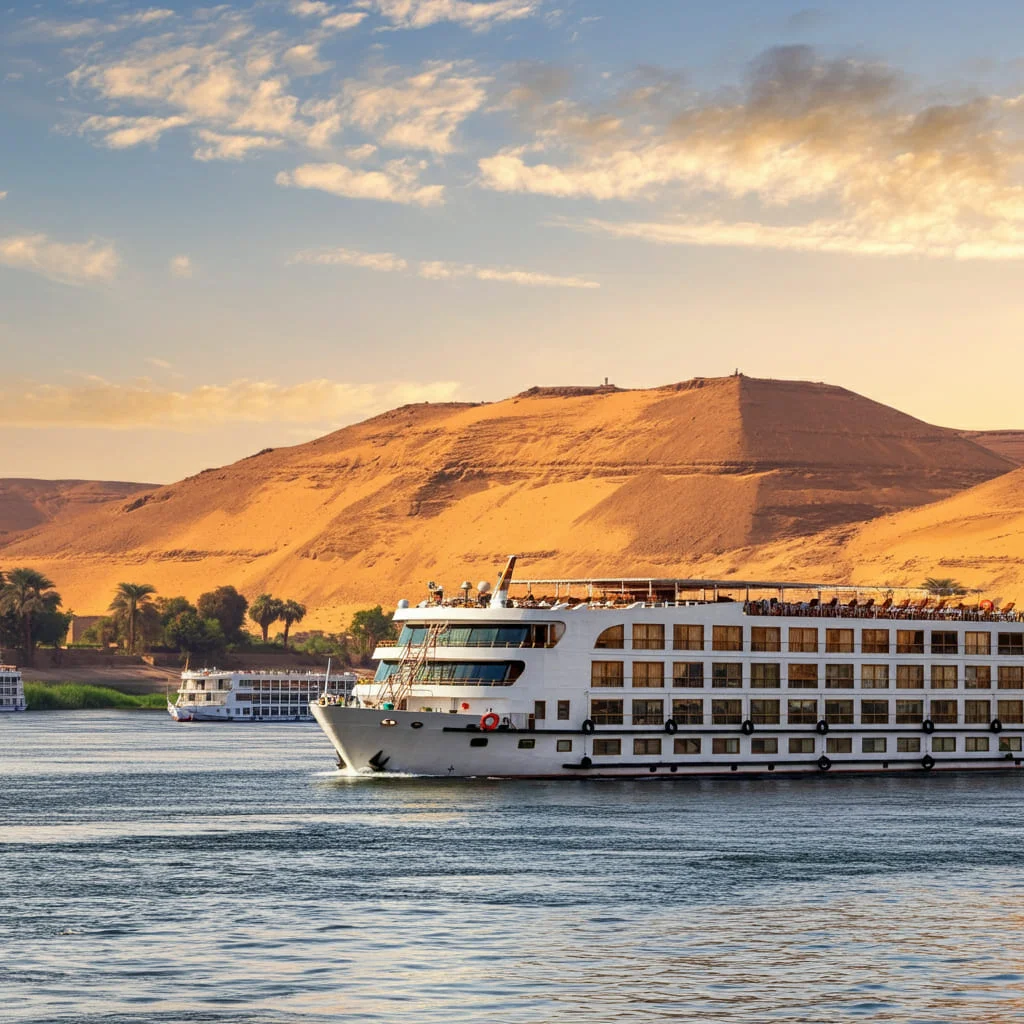
More than 300 cruise vessels ply the 125-mile Luxor-to-Aswan corridor, yet fewer than thirty percent of first-time passengers board with a clear understanding of how river logistics shape daily experience. The Nile flows north, but southbound itineraries dominate because prevailing winds favor sail-assisted travel against the current. This directional reality determines which bank you'll approach at dawn and which temples you'll visit in harsh midday sun versus golden hour. Cabin placement matters more on the Nile than on ocean voyages. River cruisers sit low to the waterline—third-deck cabins put you eight feet above the surface—so east-facing accommodations capture sunrise over the desert escarpment while west-facing rooms watch feluccas tack across evening light. Ships moor alongside each other at popular stops, occasionally four deep, meaning interior berths may wake to the neighboring vessel's breakfast service rather than the riverbank. Clarifying your cabin's orientation and deck level before deposit prevents disappointment. The practical rhythm of Nile cruising tips hinges on understanding that temple visits occur at the captain's schedule, not yours. Edfu and Kom Ombo stops last ninety minutes; Karnak and Abu Simbel warrant three hours. Guides collect passengers in the lounge, and coaches depart on time regardless of stragglers. Packing a small day bag with water, a wide-brimmed hat, sunscreen rated SPF 50 or higher, and a lightweight scarf for temple interior protocols keeps you mobile during shore excursions. Onboard attire skews resort-casual, but evening dinners often observe a no-shorts policy. Currency strategy separates smooth travel from friction. While cruise fares settle in dollars or euros, daily interactions—tipping the cabin steward, buying fresh mango from riverside vendors, paying the nominal fee for photography permits inside tombs—require Egyptian pounds in small denominations. ATMs in Luxor and Aswan dispense 200-pound notes, which drivers and market stalls struggle to break. Exchanging $50 into fives, tens, and twenties at a hotel desk before boarding eliminates scrambling. Temple sites and the Valley of the Kings accept cards inconsistently; cash remains the universal language along the riverbank.
“The Nile flows north, but southbound itineraries dominate because prevailing winds favor sail-assisted travel against the current.”
The Best Time for Nile River Cruise Tips
The best time to visit the Nile for a cruise is during the cooler months, specifically between October and April, to avoid the intense summer heat. Daily activities are most comfortable during the optimal arrival window of 06:00–10:00, which offers mild temperatures and soft lighting.
October to April
ModerateMild, 15°C–25°C
This period offers the most pleasant climate for sightseeing and outdoor excursions along the river.
May to September
LowVery hot, 30°C–40°C
Temperatures are high during these months, necessitating early morning or late afternoon activity schedules.
06:00–10:00 daily
Low to moderate—
This window provides the best conditions for photography and comfort before the midday heat settles in.
Verdict: The best time to experience a cruise is between October and April, prioritizing the daily arrival window of 06:00–10:00.
Understanding Nile River Cruise Tips on Fees
The Nile River itself does not require an entrance fee for access. Cruise costs are determined entirely by individual operators based on service levels and duration.
While there is no cost to access the river, travelers pay varying amounts for cruises depending on the specific operator and service tier selected.
Planning Your Journey with Nile River Cruise Tips
Most Nile cruises follow a three- to four-night route between Luxor and Aswan, stopping at major temples and archaeological sites. This framework reflects a typical southbound itinerary with morning departures and afternoon shore excursions.
Embarkation in Luxor
Board your vessel between 06:00 and 10:00, complete check-in, and settle into your cabin before lunch. Most operators depart after midday.
Karnak and Luxor Temples
Guided excursions to both temple complexes typically run three to four hours. Return to the boat for dinner as it sails toward Esna.
Edfu Temple Visit
The boat moors early; excursions to the Ptolemaic temple begin around 07:00. Horse-drawn carriages cover the short distance from dock to entrance.
Kom Ombo Temple
Late-afternoon stop at the dual temple dedicated to Sobek and Horus. Evening sailing continues toward Aswan.
Aswan High Dam and Philae
Morning excursions cover the dam, the Unfinished Obelisk, and the island temple of Philae. Motorboat transfers are included.
Felucca Sail or Free Time
Optional felucca rides around Elephantine Island or time to explore Aswan's souks. Some itineraries add Abu Simbel as an early-morning extension on Day 4.
Common Nile River Cruise Tips — Mistakes to Avoid
Nile cruises are straightforward, but a few recurring missteps can drain your budget or leave you frustrated. Here's what tends to go wrong and how to fix it.
Boarding without sunscreen or a wide-brimmed hat
Deck exposure between 10:00 and 15:00 can cause burns within 30 minutes. Apply SPF 50+ every two hours and wear UV-blocking clothing.
Assuming all meals, excursions, and site fees are included
Operators bundle differently. Before booking, request a written breakdown of what your fare covers—shore excursions, entrance tickets, and onboard drinks often cost extra.
Carrying only credit cards and no small Egyptian pounds
Tipping crew, hiring felucca captains, and buying from riverside vendors require cash. Withdraw EGP in advance; ATMs near embarkation points charge high fees.
Skipping travel insurance that covers cruise cancellations
Nile water levels fluctuate seasonally, sometimes forcing itinerary changes or cancellations. Choose a policy that reimburses cruise-specific disruptions, not just standard trip interruptions.
Packing formal clothing but no practical layers for air-conditioned cabins
Evening temperatures on deck can drop to 15°C in winter, and cabins run cold. Bring a light fleece and closed-toe shoes for indoor dining.
Nile River Cruise Tips on Etiquette and Conduct
Nile cruises visit active temples and villages where conservative dress and respectful behavior are expected. Observing local customs ensures smoother interactions with guides, temple staff, and communities along the river.
Do
- Dress modestly when disembarking at temples—cover shoulders and knees.
- Remove shoes before entering prayer areas or where signs indicate.
- Ask permission before photographing local residents or private ceremonies.
- Tip crew and guides in Egyptian pounds at cruise end.
- Greet temple guardians and village hosts with a polite nod.
- Follow your guide's lead when entering sacred or restricted zones.
Don't
- Don't wear beachwear or sleeveless tops at archaeological or religious sites.
- Don't touch hieroglyphs, carvings, or painted surfaces inside monuments.
- Don't photograph military installations, bridges, or checkpoints from the deck.
- Don't haggle aggressively with vendors in small riverside communities.
- Don't enter tombs or shrines marked as closed or under restoration.
- Don't discard litter overboard or leave trash at landing sites.
Essential Checklist for Nile River Cruise Tips
Prepare these essentials before departure to ensure a seamless Nile cruise experience.
-
Confirm cruise booking and itinerary — Verify departure dates, cabin details, and included excursions with your operator.
-
Arrange valid passport and Egyptian visa — Egypt requires a passport valid six months beyond arrival; obtain a visa in advance or on arrival.
-
Pack sun protection and light clothing — Daytime temperatures reach 35°C; bring SPF 50, a hat, and breathable fabrics.
-
Bring prescription medications and first-aid supplies — Pharmacies may not stock specific brands; carry enough for the full trip plus extras.
-
Organize travel insurance with medical coverage — Ensure your policy covers river cruises and emergency evacuation in Egypt.
-
Download offline maps and translation apps — Mobile data can be unreliable along remote stretches of the river.
-
Carry small Egyptian pound notes for tips — Crew gratuities and small purchases require cash; ATMs are limited outside cities.
Check availability
Frequently Asked Questions About Nile River Cruise Tips
Everything you need to know about nile river cruise tips